
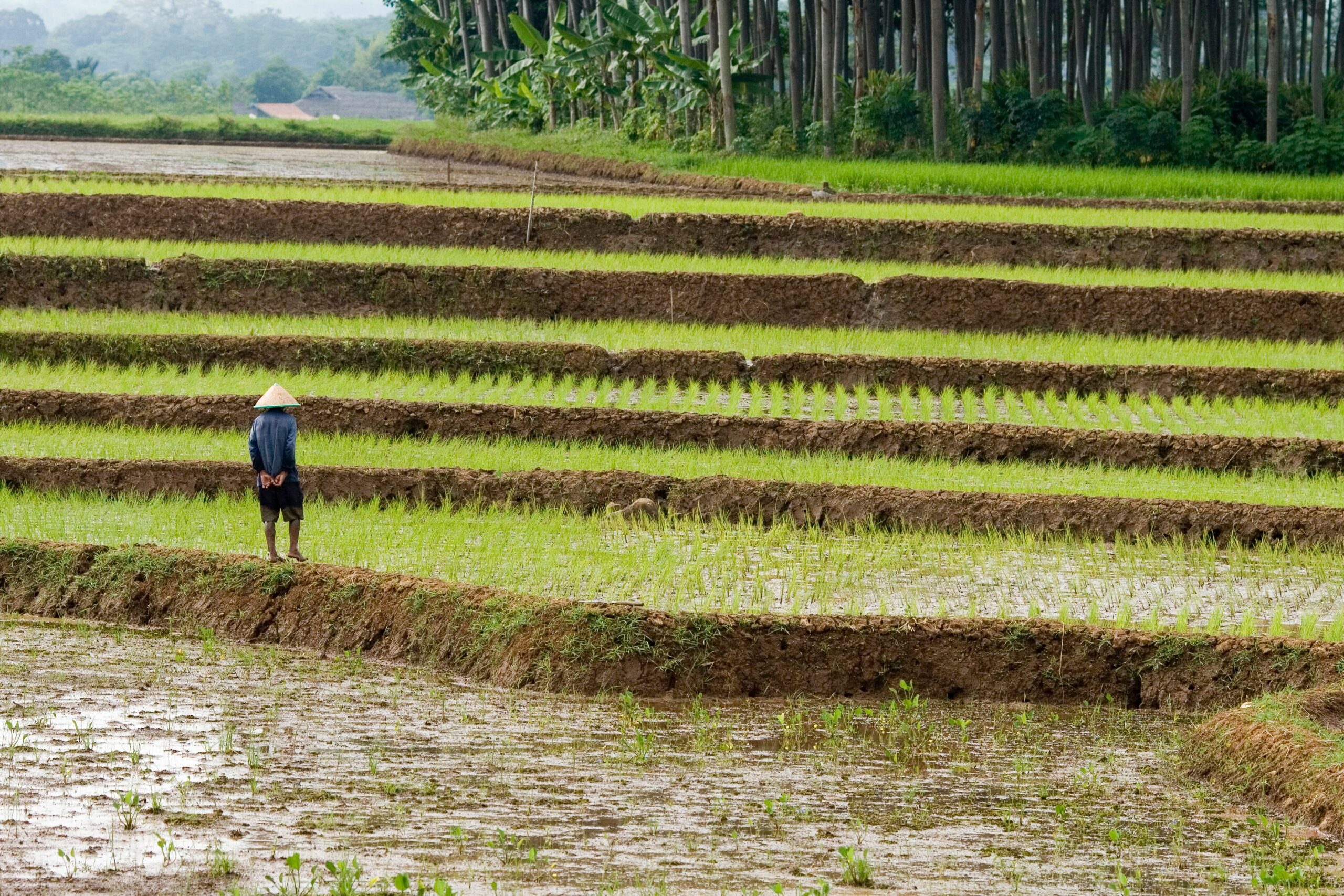
Southeast Asia is a region of ten countries with very different histories, economies, and governance systems. Change here is rarely uniform. A growing city may look transformed while a rural district nearby faces slower progress. Understanding regional change means looking at both national trends and the priorities that communities set for themselves.
Table of Contents
What Regional Change Means in Southeast Asia
Regional change refers to shifts that affect multiple countries or large parts of the region at once. These shifts include population movement, changes in trade patterns, new technology adoption, climate-related pressures, and evolving political arrangements. Analysts often separate regional change into three broad layers:
- Structural change, such as long-term growth in manufacturing, services, and digital industries
- Cyclical change, such as short-term swings in prices, trade, or tourism
- Local change, such as new housing, markets, or public services in a single city or village
Community priorities usually emerge at the local level, but they are shaped by the other two layers. A decision about a neighborhood market, for example, may reflect national price trends and regional trade flows at the same time.
Urban Growth and Everyday Life
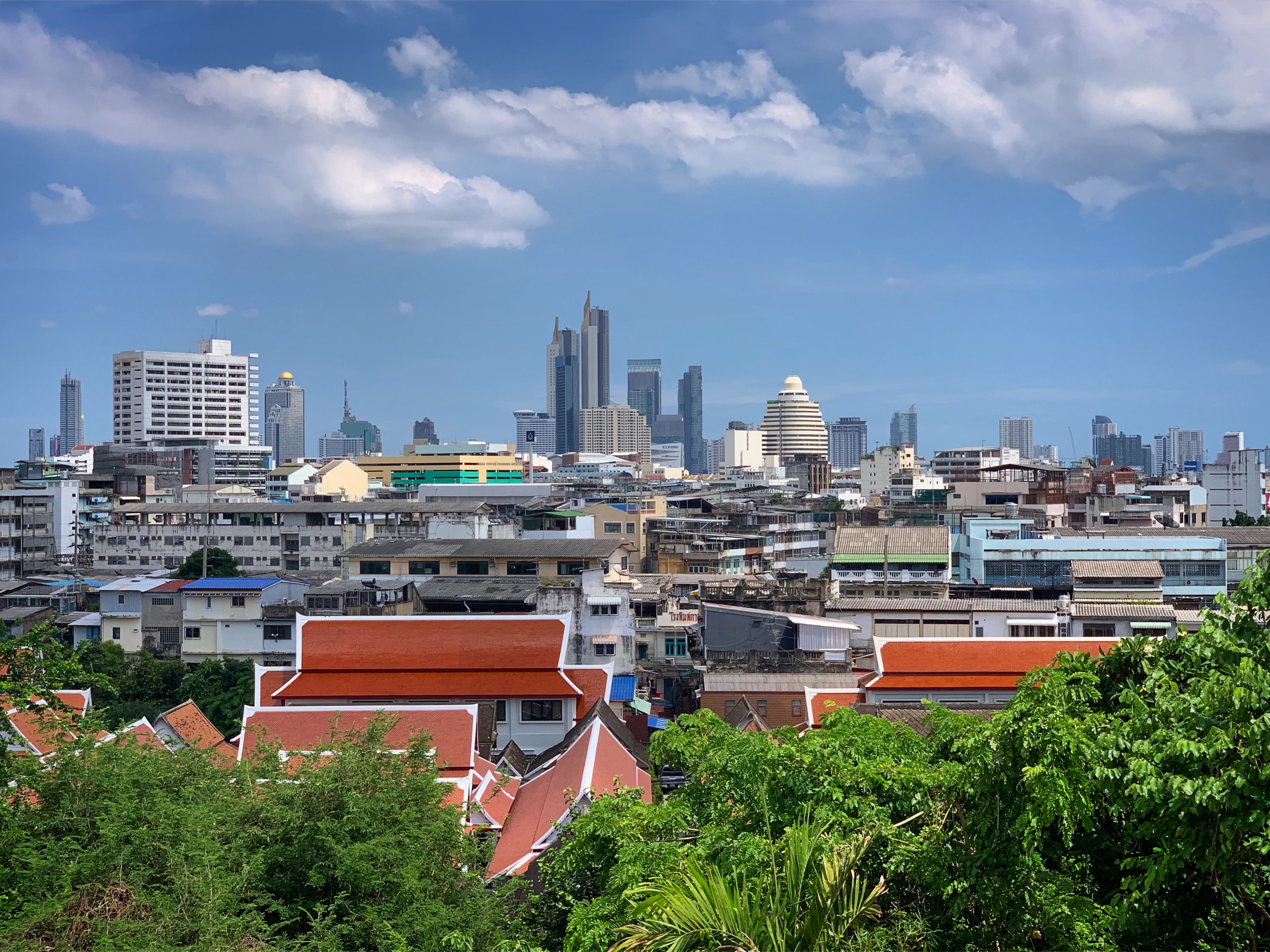
Urbanization is one of the most visible forms of change in the region. Capital cities and secondary cities have expanded quickly, bringing new skylines, transport networks, and residential developments. Rapid growth can also raise questions about housing affordability, traffic, drainage, and access to health and education services.
Urban residents often prioritize concerns such as:
- Stable access to clean water and reliable electricity
- Affordable housing close to jobs
- Public transport that reduces commuting time
- Safe public spaces for families and older residents
These concerns are not uniform across cities. A dense commercial district and a mixed-income residential area may rank priorities differently, which is why local data matters.
How Community Priorities Are Identified
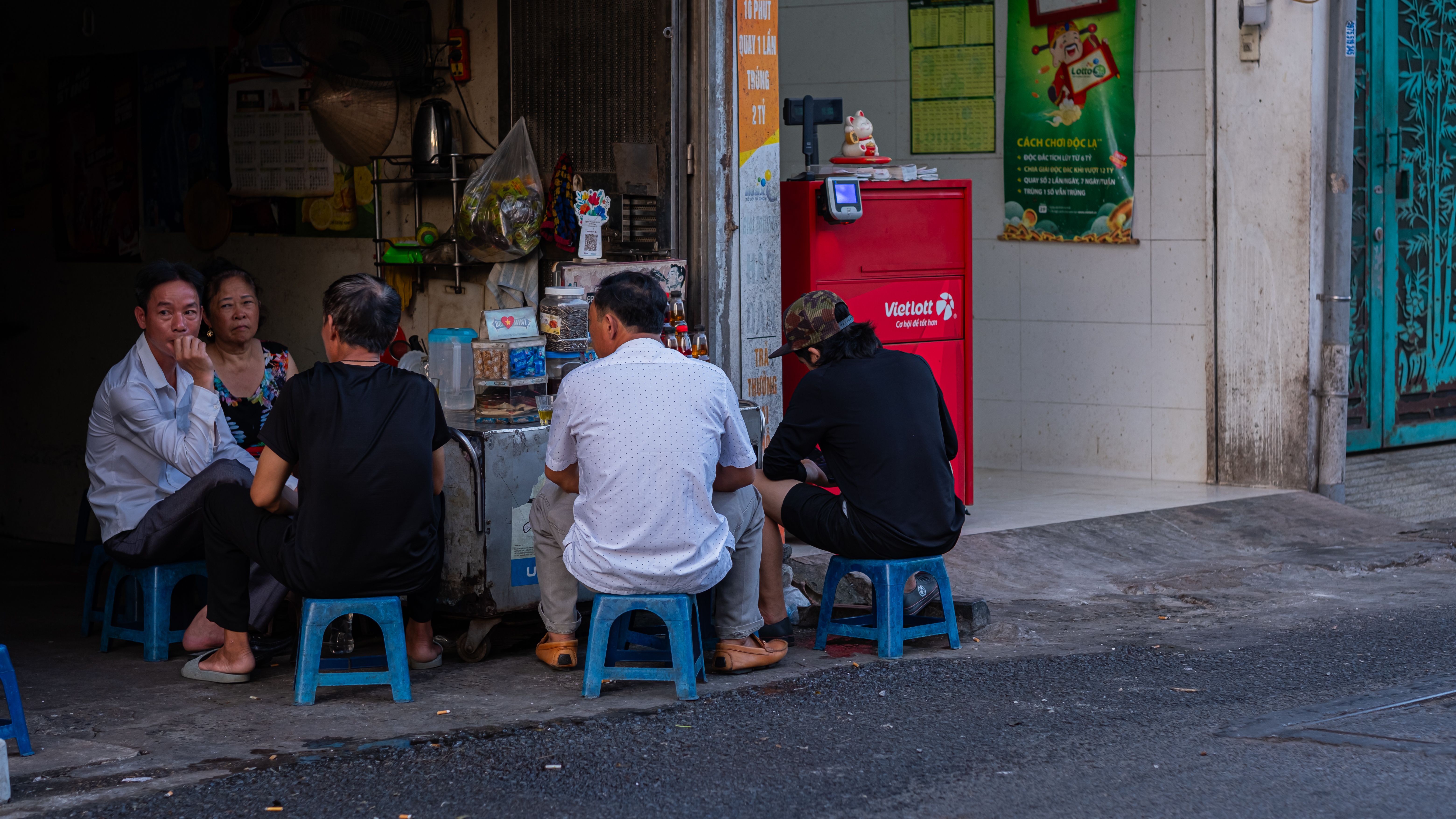
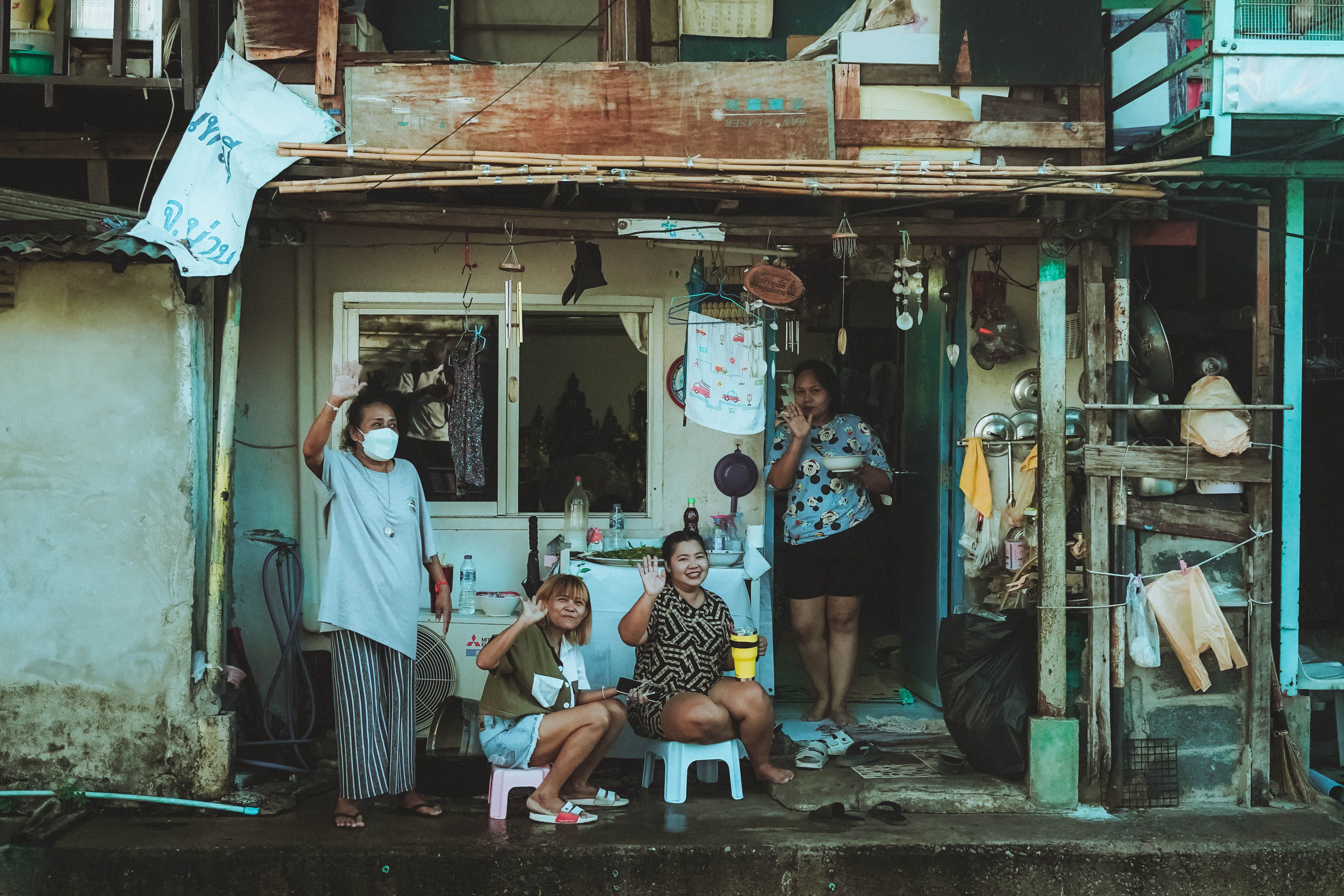
Community priorities are generally identified through a mix of formal and informal processes. Formal channels include local government consultations, municipal planning meetings, and participatory budgeting programs in some areas. Informal channels include neighborhood associations, religious and cultural groups, market committees, and everyday conversations between residents and shop owners.
In practice, priority setting often follows a sequence:
- Residents identify problems that affect daily routines
- Local leaders or groups gather feedback and compare concerns
- Options are weighed against available budgets and technical constraints
- Agreed priorities are passed to the relevant authority for action or funding
The process does not always produce a single outcome. Depending on the circumstances, a community may receive partial solutions, a phased plan, or a referral to another agency.
Economic Change and Local Livelihoods
Economic change in Southeast Asia affects livelihoods differently depending on sector, location, and skill level. Tourism, agriculture, small trade, and manufacturing each respond to regional conditions in their own ways. The World Bank has noted in its regional economic updates that growth in the East Asia and Pacific region has been shaped by energy prices, trade conditions, and the expansion of artificial intelligence-related activity, with effects varying across countries. For many communities, the practical questions are simpler: whether there is steady work, whether prices are manageable, and whether skills training is available locally.
Community-level economic priorities often include:
- Protecting traditional trade routes and local markets
- Supporting small and medium enterprises with access to credit and training
- Developing skills that match emerging industries
- Maintaining food supply chains during periods of price volatility
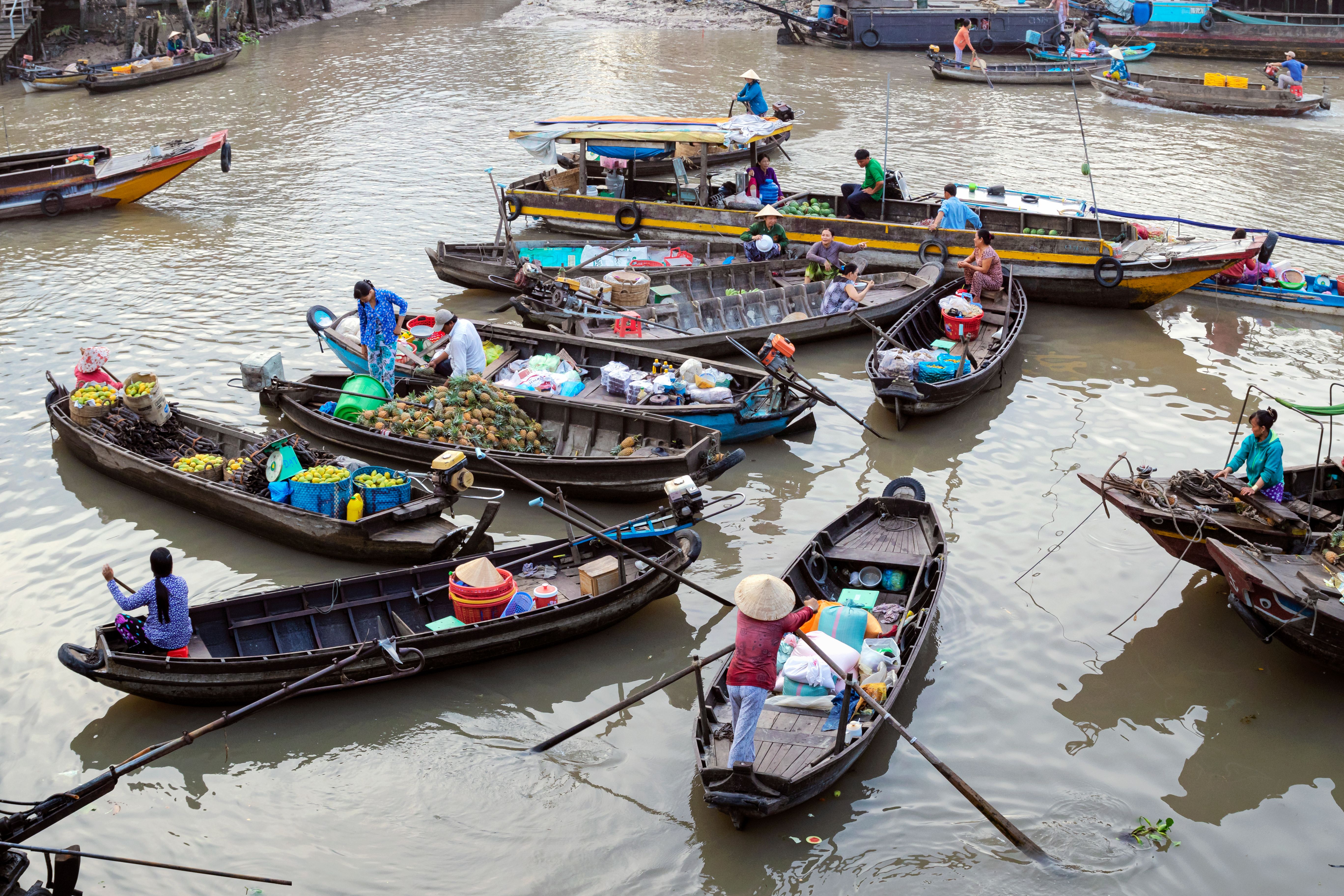
Waterways and agricultural areas, such as those in the Mekong Delta, illustrate how economic life and environmental conditions are closely linked. Market activity in these areas can change with seasonal water levels and crop cycles.
Regional Frameworks and Priority Areas
Regional frameworks provide a shared reference point for many national and local priorities. The ASEAN Community Vision 2045 sets out long-term aims for a resilient, innovative, dynamic, and people-centred region, covering political-security, economic, and socio-cultural areas. Its framing of inclusive participation and narrowing development gaps is useful for understanding why community-level concerns appear in regional planning documents.
The table below summarizes common priority areas, the types of concerns they usually involve, and where official information can typically be found. It is a general guide and does not describe the situation in any specific country or city.
Reading News and Data on Regional Change
Regional change is reported across many outlets, and each source has its own focus. For background on current affairs, readers can follow Southeast Asia news coverage, which reports on political and economic developments across the region. News reports are most useful when they are read alongside primary sources.
When evaluating a report on regional change, it can help to check:
- Whether the claim is supported by official statistics or a named study
- Whether the time period covered is clearly stated
- Whether the report distinguishes between national averages and local conditions
- Whether the article separates reported facts from analysis or forecasts
Frequently Asked Questions
What is regional change in Southeast Asia?
Regional change describes shifts that affect several countries or large parts of the region, such as urbanization, trade patterns, technology adoption, and climate pressures.
How do communities set their priorities?
Priorities are generally shaped through local consultations, neighborhood groups, and informal discussions, and they are then passed to the relevant authority. The exact process depends on the country and the local government structure.
Where can I find reliable data on regional development?
Official national statistics offices, regional organizations such as ASEAN, and international development institutions such as the World Bank typically publish reports and datasets that can be checked directly.
Closing Perspective
Regional change in Southeast Asia is best understood as a combination of large forces and local decisions. National growth figures, regional frameworks, and global economic conditions set the broader context, but the priorities that matter most to residents often emerge in markets, neighborhoods, and community meetings. Reading official sources alongside local experience gives a more complete picture of where the region is heading and what communities are asking for along the way.

